The Karabakh Conflict is a quintessential example of the paradoxical repercussions that can blur the lines between military triumph and humiliating downfall. This article explores the question of how the thrill of military victory morphs into a profound sense of defeat.
read moreTriumph in Defeat: Inaugurating a New Era for Azerbaijan and Armenia
Miatsum and the Bewildering Russian Role in Karabakh
The Karabakh conflict in the North Caucasus has emerged as the second-most-significant conflict involving Russia. Historically, the region of Karabakh has been populated by Armenians, while the surrounding areas have been inhabited by Azerbaijani Turks.
read moreA Bad Day In The Bundestag
Jeremy Salt, Center For Eurasian Studies, June 2016 read more
Not recognizing the Armenian genocide is a triumph for common sense
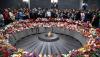
There are still a few responsible adults around who haven't surrendered to the self-righteous kitsch of national victimization.
Postmodernism suffered a devastating blow this week. It turns out that this magic wand – with which, it was thought, historical narratives could be created at the customer’s order – is not living up to the high expectations people have of in it. In other words, there’s a limit to how far nations can go in demanding that the world recognize them as victims of a holocaust, along the lines of the Jewish Shoah, without it being clear beyond any doubt that a holocaust of that kind actually occurred and in the same format.
read moreThe fallacies of the Armenian nationalist narrative

The centenary of the Armenian question causes a lot of controversy between those who label the events as genocide and those qualify them as insurrection and wartime casualties. read more
Perincek vs Switzerland
Freedom of expression has already won the day in Perinçek versus Switzerland thanks to the decision of the European Court of Human Rights (ECtHR) to reverse the Swiss criminalization of Doğu Perinçek's expressed view of the past and in particular his characterization of the events of 1915 and 1916. Article 10 of the European Convention on Human Rights was held high.Being that the characterization of the events has been a political matter, involving both historical and legal aspects, Perinçek did not abuse rights, but rather exercised the freedom to express himself on an accusation regarding which Turks, Muslims and Turkish Muslims in Western societies cannot be expected to remain silent. read more
Armenian Issue As Reflected In Russian Archival Records
The Czarist Russian and Soviet archival records gain significance with regard to much debated and controversial accounts of Armenian genocides – the issue laden with accusations and counter accusations founded on concocted and fabricated narratives fed by imperial powers to facilitate the division and share of booty of Ottoman territory. Czarist Russia and Soviets were the most important witness of the event, besides contending parties of Armenian and Turkey, between 1915 and 1923. The documents include besides state records, the Dashnak documents, who themselves were controlled and exploited by imperial Russia and Soviets for their own designs. These documents reflect the tragic saga of killings, massacres of Armenians and retaliation by Turks during these fateful years, resulting in ethnic cleansing of Armenians as well as Turkish Muslims of Armenia. The records depict living conditions of Ottoman Armenians, rise of Armenians nationalism, its enticement to Czarist plans, the Dashnak design to annihilate majority Muslim population of Ottoman Armenia, besides imperialist intrigues leading to genocides with an utter disregard to human values and international moral codes of conduct. read more
The Lemkin Hole In The Swiss Case

When Raphael Lemkin coined the word genocide in 1944 he cited the annihilation of Armenians as a seminal example of genocide." This is an entirely false statement as Lemkin did not mention Armenians even once. read more
Abraham Foxman’s good name
It is shocking that Abraham Foxman, the national director of the Anti-Defamation League and a Holocaust survivor, who will soon be capping 50 years of dedication to the cause of “never again” for Jews and for all, is subjected to such a blatant campaign of defamation by political opportunists. read more
Remembering Kemal Arikan (1927-1982)

On January 28, 1982 two Armenian gunmen assassinated Kemal Arikan, Turkish Consul General to Los Angeles, in his automobile while waiting at an intersection. The Justice Commandos of Armenian Genocide (JCAG) claimed responsibility. One of the assassins, Hampig Sassounian, a 19-year-old Armenian American member of the Justice Commandos of Armenian Genocide (JCAG), was arrested shortly thereafter. Sassounian's father stated on public television, "I am glad that a Turk was killed, but my son did not do it." Sassounian's accomplice, believed to be Krikor Saliba, escaped to Beirut. Los Angeles police searched Sassounian's automobile, seizing a .357 caliber bullet and a one-way airline ticket from Los Angeles to Beirut. read more
Orientalism: 'Terrible Turk' becomes a 'genocidal Turk'
How does the Orientalist discourse of the past inform and restructure the present political discourse on "the other"? How can we explain the continuity of political discourses that are constructed upon the 20th century's "scientific racism" (i.e., anthropological justification of racism and thus colonial conquest)?
In the light of these broader questions, this article seeks to unpack the symbiotic relationship between past Orientalist discourses of the early 20th century and their contemporary (re)construction through the concept of genocide in the events of 1915. What is the connection between the events of 1915, the use of the term genocide, and Orientalism? How do genocide scholars use images of the "terrible Turk," backward Islam and the despotic Ottoman state to build a new, genocidal image of Turks?
read moreMajor International Court Finds the Ottoman Armenian Controversy Not Settle
On December 17, the European Court of Human Rights (ECHR) reversed the criminal conviction by a Swiss court of Dogu Percinek, a Turkish politician who publicly challenged that Armenians were subject to genocide in the final years of the Ottoman Empire nearly 100 years ago. read more
TCA Responds to President Obama’s Armenian Remembrance Day Statement
The Turkish Coalition of America expresses its deep disappointment in President Obama's repeat of the same one-sided and historically inaccurate pronouncement as he does on every April 24th to appease certain hateful, single-issue Armenian groups. TCA will again send a package of books and documents to the White House in the hope that they will be read and that the office of the Presidency is not used again for such dissemination of half-truths. read more
Religious Ceremony Held at Historical Armenian Church in Turkey
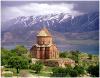
A religious ceremony was held on September 11 at the historical Armenian Church of Akdamar in Van, Turkey. This is the second religious ceremony to be held at the church since its restoration by the Ministry of Culture of Turkey in 2007. The ceremony, led by Archbishop Aram Atesyan of the Armenian Patriarchate of Turkey, was attended by approximately 3,000 people. read more
Armenian President's Belligerent Remarks Draw Turkey’s Ire
Controversial remarks by Armenian President Serz Sarksyan raised doubts as to Armenia's commitment to the process of normalization between the two countries and sparked criticism from Turkey. President Sarksyan's controversial remarks were made during the 5th Pan-Armenian Olympiad in response to a question whether "Western Armenia" - a belligerent term used by Armenians for the eastern region of Turkey - would ever be united with the rest of Armenia. read more
Correcting the Record on H.Res. 252 (Armenian Resolution)
FACT: The resolution presents a one-sided selection of the U.S. record. The complete U.S. record on events in eastern Anatolia during the closing years of the Ottoman Empire contains reports depicting a tragedy, but offers no proof of genocide. The U.S. record also includes reports of respected envoys, who documented the Armenian Revolt and questioned accounts of massacres. H.Res.252 willfully omits this record. read more
TCA Response to President Obama's Statement

April 24, 2011, Washington, DC - In response to the President's annual statement on Armenian Remembrance Day, G. Lincoln McCurdy, President of the Turkish Coalition of America (TCA), issued the following remarks: read more
Why Congress Should Not Legislate History
Michael M. Gunter, April 8, 2011
On March 4, 2010 the Foreign Affairs Committee of the U.S. House of Representatives approved by a 23-22 vote a controversial resolution (H. Res. 252) declaring that it “finds the . . . Armenian Genocide was conceived and carried out by the Ottoman Empire... read more
On March 4, 2010 the Foreign Affairs Committee of the U.S. House of Representatives approved by a 23-22 vote a controversial resolution (H. Res. 252) declaring that it “finds the . . . Armenian Genocide was conceived and carried out by the Ottoman Empire... read more
Armenians in Ottoman Bureaucracy
Armenians held key positions in Ottoman bureaucracy. Particularly in the 19th century, twenty-nine Armenians were granted the highest military-governmental rank of Pasha, general.. There were twenty-two Armenian ministers in Ottoman Administration, including the Ministers of Foreign Affairs, Finance, Treasury, Trade and Post, with other Armenians holding high positions at the departments in charge of agriculture, economic development, and the census. read more
TCA Responds to President Obama's Statement
President Barack Obama issued a presidential statement on April 24, marking "Armenian Remembrance Day." Turkish Americans share the grief of Armenian Americans who lost their family members during those dreadful events nearly a century ago. read more
Tarihsel Gerçekler ve Uluslararası Hukuk Işığında Ermeni Soykırımı
Amb. Şükrü Elekdağ, April 19, 2010 (in Turkish)
Bugüne kadar soykırım iddiası, uluslararası alanda Ermenistan’a ilaveten birçok devlet tarafından Türkiye üzerinde baskı kurmak, Türk dış politikasını yönlendirmek ve ödünler elde etmek amacıyla kullanılmıştır. Bu alanda Ermenistan tarafından Türkiye aleyhinde sürdürülen yoğun kampanya ülkemiz açısından ağır bir imaj sorunu yarattığı gibi dış politikamızın ana eksenlerine de ipotek koymaktadır. read more
Bugüne kadar soykırım iddiası, uluslararası alanda Ermenistan’a ilaveten birçok devlet tarafından Türkiye üzerinde baskı kurmak, Türk dış politikasını yönlendirmek ve ödünler elde etmek amacıyla kullanılmıştır. Bu alanda Ermenistan tarafından Türkiye aleyhinde sürdürülen yoğun kampanya ülkemiz açısından ağır bir imaj sorunu yarattığı gibi dış politikamızın ana eksenlerine de ipotek koymaktadır. read more
Amb. Elekdağ Calls Upon President Obama to Respect Law on Genocide
April 24, 2010, The following letter was sent to President Barack Obama by Ambassador (ret.) Şükrü Elekdağ, former Turkish Ambassador to the United States, Member the Grand National Assembly of the Republic of Turkey, Peoples Republican Party, Deputy from Istanbul on April 16, 2010. read more
TCA Letter to President Obama on Greek National Independence Day
On March 9, 2010, you hosted Greek Prime Minister George Papandreou and Greek Orthodox Archbishop Demetrios of America to celebrate Greek Independence Day. While March 25, 1821 represents the launch of the Greek independence movement, it also marks the beginning of a horrible period for the Ottoman Muslims; in the Balkans alone 1,750,000 Ottoman... read more
Legislating History
Yilmaz Arguden, October 24, 2006
Recently various Parliaments throughout the world have gotten into the business of legislating history!! As Tip O’Neill has succinctly put it, “All politics is local.” However, currently the US Congress is under pressure to consider a resolution about the events of 1915. read more
Recently various Parliaments throughout the world have gotten into the business of legislating history!! As Tip O’Neill has succinctly put it, “All politics is local.” However, currently the US Congress is under pressure to consider a resolution about the events of 1915. read more
President Obama's Statement
April 24, 2009, Washington, DC - President Obama in his statement on the occasion of the Armenian Remembrance Day refrained from the use of the term “genocide” to describe the tragic events that occurred nearly a century ago in the Ottoman Empire and lent his strong support to dialogue between Turks and Armenians, as well as normalizing relations between Turkey and Armenia. read more
154 Retired Turkish Ambassadors Write to Speaker Pelosi
March 31, 2009
Once again, extremist factions within the American-Armenian communities have launched their yearly campaigns asking the US Congress to adopt a resolution recognizing their claims of "Armenian Genocide". read more
Once again, extremist factions within the American-Armenian communities have launched their yearly campaigns asking the US Congress to adopt a resolution recognizing their claims of "Armenian Genocide". read more
Turkish American Community Letter to President Obama
As presidents of Turkish American community organizations nationwide, we
congratulate you on assuming the Presidency of the United States of America. We wish
you success in confronting the many daunting challenges facing our nation and the world
today. read more
Will Untapped Ottoman Archives Reshape the Armenian Debate?
Yucel Guclu, Middle East Quarterly, Spring 2009
The debate over what happened to Armenians in World War I-era Ottoman Anatolia continues to polarize historians and politicians. Armenian historians argue that Ottoman forces killed more than one million Armenians in a deliberate act of genocide. Other historians—most famously Bernard Lewis and Guenter Lewy—acknowledge that hundreds of thousands of Armenians died but question whether this was a deliberate act of genocide or rather an outgrowth of fighting and famine. read more
The debate over what happened to Armenians in World War I-era Ottoman Anatolia continues to polarize historians and politicians. Armenian historians argue that Ottoman forces killed more than one million Armenians in a deliberate act of genocide. Other historians—most famously Bernard Lewis and Guenter Lewy—acknowledge that hundreds of thousands of Armenians died but question whether this was a deliberate act of genocide or rather an outgrowth of fighting and famine. read more
Rep. Frank Pallone and the "Armenian Genocide Resolution"
Lincoln McCurdy, president of TCA, New Jersey Star Ledger, March 2, 2009
Recently, a letter seeking cosponsors for a renewed drive to secure the adoption of an "Armenian Genocide Resolution" was circulated on Capitol Hill. The lead authors of the proposed legislation included four members of congress from districts with sizable Armenian constituents. They included Armenian Caucus Co-Chairman Frank Pallone (D-NJ). read more
Recently, a letter seeking cosponsors for a renewed drive to secure the adoption of an "Armenian Genocide Resolution" was circulated on Capitol Hill. The lead authors of the proposed legislation included four members of congress from districts with sizable Armenian constituents. They included Armenian Caucus Co-Chairman Frank Pallone (D-NJ). read more
Professor questions ethnic conflict
Matthew Rist, The GW Hatchet, February 26, 2009
Turkkaya Ataov, a professor at Ankara University in Turkey who is internationally recognized for his vehement denials that the 1915 massacre of Armenians was a genocide, presented a lecture entitled, "How to Come to Terms with One's Past: Searching the Truth Behind Armenian Claims on Genocide." read more
Turkkaya Ataov, a professor at Ankara University in Turkey who is internationally recognized for his vehement denials that the 1915 massacre of Armenians was a genocide, presented a lecture entitled, "How to Come to Terms with One's Past: Searching the Truth Behind Armenian Claims on Genocide." read more
Money spent by the Armenian Lobby in America (USA/ Armenia)
Senol Kantarci, ERAREN, 2001
While the Americans were waging their war of independence in 1780, figs from Izmir and other Anatolian produce were advertised in American papers. The first American ship touching waters was named Grand Turk, and set to sail off Salem port in 1782. This ship carried produce to the New England harbors in the 1790’s. American trade ships visited Istanbul in 1786, Izmir in 1797, and Iskenderiye (Alexandria) in 1800. First trade agreement between America and Turkey was signed on May 7, 1830 (most favored nation status). read more
While the Americans were waging their war of independence in 1780, figs from Izmir and other Anatolian produce were advertised in American papers. The first American ship touching waters was named Grand Turk, and set to sail off Salem port in 1782. This ship carried produce to the New England harbors in the 1790’s. American trade ships visited Istanbul in 1786, Izmir in 1797, and Iskenderiye (Alexandria) in 1800. First trade agreement between America and Turkey was signed on May 7, 1830 (most favored nation status). read more
Buying Policies
Michael van der Galien, PoliGazette, August 5, 2008
One of the main things Americans frequently complain about is the influence of special interest groups over politicians and, thus, over how the United States is ran. Too many laws, these Americans say, are designed not with the best interest of the American people in mind, but with the interest of said groups in mind. This is, Americans rightfully complain, now how the US government was meant to function. read more
One of the main things Americans frequently complain about is the influence of special interest groups over politicians and, thus, over how the United States is ran. Too many laws, these Americans say, are designed not with the best interest of the American people in mind, but with the interest of said groups in mind. This is, Americans rightfully complain, now how the US government was meant to function. read more
The freedom of historical debate is under attack by the memory police
Stanford J. Shaw
As the Allied armies occupied Turkey starting in late November 1918, Turks reacted largely with silent acquiescence. They were willing to accept that since the war had left their country devastated and most of its people starving, the victorious Powers of Europe occupied their country in order to help them rebuild it in the lands of the Ottoman Empire that remained with large Turkish majorities, in accordance with Point Twelve of Woodrow Wilson’s Fourteen Points declared earlier the same year. As was the case in western Anatolia, however, where Allied intentions to deprive the Turks of their homeland combined with Greek atrocities against the settled population drove the Turks to support a Turkish national resistance, so also those in Cilicia were soon driven to resist violently against the abuses and atrocities which the French occupation troops inflicted on them during the two years that followed. read more
As the Allied armies occupied Turkey starting in late November 1918, Turks reacted largely with silent acquiescence. They were willing to accept that since the war had left their country devastated and most of its people starving, the victorious Powers of Europe occupied their country in order to help them rebuild it in the lands of the Ottoman Empire that remained with large Turkish majorities, in accordance with Point Twelve of Woodrow Wilson’s Fourteen Points declared earlier the same year. As was the case in western Anatolia, however, where Allied intentions to deprive the Turks of their homeland combined with Greek atrocities against the settled population drove the Turks to support a Turkish national resistance, so also those in Cilicia were soon driven to resist violently against the abuses and atrocities which the French occupation troops inflicted on them during the two years that followed. read more
Book review: The Armenian Genocide: Cultural and Ethical Legacies
Guenter Lewy, Slavic Review, 2008
Readers familiar with Russioan and Turkish history will experience the same sense of unreality in reading Hovannisian's insistence that the Armenian disaster in 1915 was entirely unprovoked and the result of a xenophbic nationalistic mindset and a total war ethic on the part of the Young Turk regime. read more
Readers familiar with Russioan and Turkish history will experience the same sense of unreality in reading Hovannisian's insistence that the Armenian disaster in 1915 was entirely unprovoked and the result of a xenophbic nationalistic mindset and a total war ethic on the part of the Young Turk regime. read more
U.S. H.RES. 106: Factual and Legal Deficiencies
David Saltzman, TUSIAD Publication, April 2008
The Turkish Industrialists’ and Businessmen’s Association, TUSIAD, wishes to initiate a new platform for discussing the fate of the Armenian citizens of the Ottoman Empire during World War I. The controversy over this issue and the overly politicized nature of the debate poison Turkey’s relations with its closest allies and broaden the appeal of anti-Western sentiments among the Turkish public. read more
The Turkish Industrialists’ and Businessmen’s Association, TUSIAD, wishes to initiate a new platform for discussing the fate of the Armenian citizens of the Ottoman Empire during World War I. The controversy over this issue and the overly politicized nature of the debate poison Turkey’s relations with its closest allies and broaden the appeal of anti-Western sentiments among the Turkish public. read more
A Scrutiny of Akcam's Version of History and the Armenian Genocide
Erman Sahin, Muslim Minority Affairs, August 1, 2008
In discussing the massacres of the 1890s, the author does not mention the provocations carried out by the Armenian revolutionary groups that were also an important factor in bringing about Muslim attacks on the Armenians. In the second chapter the author quotes a single instance of this kind for a different occasion (p. 63). His argument, however, is not a synthesis of the evidence presented. Instead of discussing how such incidents shaped the course of events, the author prefers to limit himself to pointing out how the Turkish historiography makes use of them. read more
In discussing the massacres of the 1890s, the author does not mention the provocations carried out by the Armenian revolutionary groups that were also an important factor in bringing about Muslim attacks on the Armenians. In the second chapter the author quotes a single instance of this kind for a different occasion (p. 63). His argument, however, is not a synthesis of the evidence presented. Instead of discussing how such incidents shaped the course of events, the author prefers to limit himself to pointing out how the Turkish historiography makes use of them. read more
Turkish Armenian Relations
Nursen Mazici, Radikal Daily, June 30, 2008
The 1915 relocation was undoubtedly a great tragedy for Ottoman Armenians. But this tragedy was mutual. I hope that two Eastern nations, who slaughtered each other as a result of British imperialism and German militarism, will take a page from history and will not sacrifice themselves once more in the 21st century for the neo-imperialists’ interests in the Caucasus. read more
The 1915 relocation was undoubtedly a great tragedy for Ottoman Armenians. But this tragedy was mutual. I hope that two Eastern nations, who slaughtered each other as a result of British imperialism and German militarism, will take a page from history and will not sacrifice themselves once more in the 21st century for the neo-imperialists’ interests in the Caucasus. read more
Russian Document refutes Armenian "genocide" claims Provides eviden
An official document in Russia’s State Military History Archives has been discovered by a researcher from Istanbul University and is reported to be a new piece of evidence on large scale atrocities committed by Armenians against Ottoman Muslims in 1915. read more
Swedish Parliament Rejects Armenian Genocide Legislation
The Swedish Parliament in a June 12 vote rejected legislation aimed at recognizing Armenian genocide claims. The measure was rejected by a 245 to 37 vote, with nearly 70 percent of the Parliament voting against the legislation. read more
Turkey offers Armenian Diaspora $20 million to open its Archives
The President of the Turkish Historical Society Professor Yusuf Halacoglu offered a $20 million grant to the classification and opening of the Armenian archives in Boston, which remain sealed to scholars. read more
Armenia is a troubled nation
Jason Epstein, Pajamas Media, April 24, 2008
Despite years of generous American financial assistance, Armenia’s economy remains in a shambles. Corruption is endemic — the public believes that most wealth created in recent years has only benefited the oligarchs — unemployment is high, and the prices of basic necessities continue to rise. It is no wonder that the country’s population keeps declining — the most recent Central Intelligence Agency estimate was just under three million, a 15% drop since 1994. read more
Despite years of generous American financial assistance, Armenia’s economy remains in a shambles. Corruption is endemic — the public believes that most wealth created in recent years has only benefited the oligarchs — unemployment is high, and the prices of basic necessities continue to rise. It is no wonder that the country’s population keeps declining — the most recent Central Intelligence Agency estimate was just under three million, a 15% drop since 1994. read more
Armenian Terrorism: History as Poison and Antidote
Justin McCarthy, Ankara University Press, 1984
Historians do not usually contribute to discussions of present-day terrorism. Middle East historians have especially avoided comment on Armenian terrorism, preferring topics more remote and less likely to shoot back. However, in considering Armenian violence, history cannot be ignored, for history is both the cause of Armenian terrorism and its only cure. Armenian terrorism is rooted in a false view of history and only by correcting that view will Armenian terrorism be defeated. I therefore wish to suggest a method not usually used to combat terrorism -the study of history. read more
Historians do not usually contribute to discussions of present-day terrorism. Middle East historians have especially avoided comment on Armenian terrorism, preferring topics more remote and less likely to shoot back. However, in considering Armenian violence, history cannot be ignored, for history is both the cause of Armenian terrorism and its only cure. Armenian terrorism is rooted in a false view of history and only by correcting that view will Armenian terrorism be defeated. I therefore wish to suggest a method not usually used to combat terrorism -the study of history. read more
Reader comment on: "Lévy To Speak On Islamism, Genocide"
Erkin Baker, The New York Sun, March 4, 2008
It is unfair to the memory of the six million Jews who have perished at the hands of the Germans during Worl war II to have their suffering to be compared to that of the Armenians during World war I. Of course, the Armenians did suffer. At the same time, three million Turks were killed and millions were thrown out of their homes too, many as a result of the Armenians' revolts. So have tens of millions of other ethnic and religious groups throughout history during times of war. Not all killings of civilians, along with the military, during armed conflicts, can be considered genocide. read more
It is unfair to the memory of the six million Jews who have perished at the hands of the Germans during Worl war II to have their suffering to be compared to that of the Armenians during World war I. Of course, the Armenians did suffer. At the same time, three million Turks were killed and millions were thrown out of their homes too, many as a result of the Armenians' revolts. So have tens of millions of other ethnic and religious groups throughout history during times of war. Not all killings of civilians, along with the military, during armed conflicts, can be considered genocide. read more
The History Lesson
National Review Online, October 17, 2007
Turkey is a country of the greatest strategic importance to the U.S. It is a loyal member of NATO with large and effective armed forces. It has a strong and growing economy. It is an overwhelmingly Muslim country with a democratic system of government. read more
Turkey is a country of the greatest strategic importance to the U.S. It is a loyal member of NATO with large and effective armed forces. It has a strong and growing economy. It is an overwhelmingly Muslim country with a democratic system of government. read more
Westerners on the Armenian Strategy and Rebellion
Michael van der Galiën, November 20, 2007
If it is required to start revolution or to rise up in order to secure the intervention of Europe in this matter or to draw its attention that can be done quite easily. read more
If it is required to start revolution or to rise up in order to secure the intervention of Europe in this matter or to draw its attention that can be done quite easily. read more
Report of Captian Niles and Mr. Arthur E. Sutherland Jr.
Justin McCarthy, 1990
The following is a copy of the Niles and Sutherland Report as it appears in the draft copy in the United States National Archives. Beign a draft, it contains infelicities of language, mistakes in paragraph numbering, confusing nomenclature, etc. read more
The following is a copy of the Niles and Sutherland Report as it appears in the draft copy in the United States National Archives. Beign a draft, it contains infelicities of language, mistakes in paragraph numbering, confusing nomenclature, etc. read more
ADL and the Turks
Joel J. Sprayregen Chicago, The Jerusalem Report, November 26, 2007
Under a longstanding relationship, Jewish organizations have lobbied against legislation undermining U.S.-Turkish relations (ADL Spars with Armenians, Oct. 29). This strengthened U.S.-Turkish strategic ties and Israel's ties with its sole regional ally. It also furthered the well-being of Turkey's 20,000 Jews - living amidst 70 million Muslims - who are protected by their government but menaced by extremists. read more
Under a longstanding relationship, Jewish organizations have lobbied against legislation undermining U.S.-Turkish relations (ADL Spars with Armenians, Oct. 29). This strengthened U.S.-Turkish strategic ties and Israel's ties with its sole regional ally. It also furthered the well-being of Turkey's 20,000 Jews - living amidst 70 million Muslims - who are protected by their government but menaced by extremists. read more
No Armenian Genocide
Bernard Lewis, National Press Club, August 2007 read more
Bernard Lewis Distinguishes Armenian Case from Holocaust
Bernard Lewis, C-SPAN2, April 14, 2002
The British press reported in 1997 that your views on the killing of one million Armenians by the Turks in 1915 did not amount to genocide and in this report in the Independent of London, says that a French court fined you one frank in damages after you said there was no genocide. This obviously triggered a debate in Israel where this quoted article (Moderator cuts in and asks him to ask his question as their running out of time). My question is, sir, have your views changed on this whether the killing of one million Armenians amounts to genocide and your views on this judgment? read more
The British press reported in 1997 that your views on the killing of one million Armenians by the Turks in 1915 did not amount to genocide and in this report in the Independent of London, says that a French court fined you one frank in damages after you said there was no genocide. This obviously triggered a debate in Israel where this quoted article (Moderator cuts in and asks him to ask his question as their running out of time). My question is, sir, have your views changed on this whether the killing of one million Armenians amounts to genocide and your views on this judgment? read more
Anatolia 1915:Turks Died, Too
Justin McCarthy, The Boston Globe, April 25, 1998
During World War 1, Anatolia, the Asiatic section of modern Turkey, was the scene of horrible acts of inhumanity between Armenians and Turks. For many decades, the history of the conflict between the Turks and the Armenians has primarily been written from the viewpoint of the Armenians. It is a viewpoint that emphasizes the deaths of Armenians but completely ignores the deaths of Turks. read more
During World War 1, Anatolia, the Asiatic section of modern Turkey, was the scene of horrible acts of inhumanity between Armenians and Turks. For many decades, the history of the conflict between the Turks and the Armenians has primarily been written from the viewpoint of the Armenians. It is a viewpoint that emphasizes the deaths of Armenians but completely ignores the deaths of Turks. read more
Review: The Armenian Massacres in Ottoman Turkey: A Disputed Genoci
The following are excerpts from a review essay by Masaki Kakiszaki, University of Utah, on a newly released book by Guenter Lewy, titled “The Armenian Massacres in Ottoman Turkey: A Disputed Genocide” University of Florida Press, 2005. The full review is published in Critique: Critical Middle Eastern Studies, Spring 2007. read more
Remembering Orhan Gunduz: A Victim of Armenian Terrorism
On May 4, 1982 a gunman assassinated Turkish Honorary Consul General Orhan Gunduz in Boston, while he was waiting in his automobile in rush-hour traffic. An Armenian terrorist organization, Justice Commandos against Armenian Genocide (JCAG) claimed responsibility. read more
Turkey and Armenia: What Jews should do
All nations have sacred memories and traditions surrounding their creation and their sacrifices. These are national legends that take on mythic proportions about the nations' founding fathers and the circumstances of the nations' formation. Sometimes, and often after difficult introspection, citizens recognize that their histories and heroes are not all black-and-white, and that a true national narrative involves a rich palette of greys as well. But that realization requires a national maturation, one that also demands the cognitive involvement of all parties to the narrative.
read more
ADL should not redefine genocide
The police and civilian mob came for them in the night, forcing them at gunpoint into the streets, stripping them of their property on the spot before shipping them to internment camps for expulsion. The lucky ones were put in boxcars, but most had to trudge on foot for hundreds of miles under the watchful eyes of sadistic guards that tormented their every step. read more
Turkey's new envoy says genocide bill impedes reconciliation
Bridget Johnson, LA Daily News, October 11, 2007
U.S. lawmakers should not fixate on the Armenian Genocide bill, which is an insult to many Turks and a roadblock to reconciliation between Turkey and the Armenian community, the new Turkish consul general in Los Angeles said. read more
U.S. lawmakers should not fixate on the Armenian Genocide bill, which is an insult to many Turks and a roadblock to reconciliation between Turkey and the Armenian community, the new Turkish consul general in Los Angeles said. read more
Turkey's War on the Truth
Richard Cohen, Washington Post, October 16, 2007
It goes without saying that the House resolution condemning Turkey for the "genocide" of Armenians from 1915 to 1923 will serve no earthly purpose and that it will, to say the least, complicate if not severely strain U.S.-Turkey relations. It goes without saying, also, that the Turks are extremely sensitive on the topic and, since they are helpful in the war in Iraq and are a friend to Israel, that their feelings ought to be taken into account. All of this is true, but I would feel a lot better about condemning this resolution if the argument wasn't so much about how we need Turkey and not at all about the truthfulness of the matter. read more
It goes without saying that the House resolution condemning Turkey for the "genocide" of Armenians from 1915 to 1923 will serve no earthly purpose and that it will, to say the least, complicate if not severely strain U.S.-Turkey relations. It goes without saying, also, that the Turks are extremely sensitive on the topic and, since they are helpful in the war in Iraq and are a friend to Israel, that their feelings ought to be taken into account. All of this is true, but I would feel a lot better about condemning this resolution if the argument wasn't so much about how we need Turkey and not at all about the truthfulness of the matter. read more
Partisan Politics and Democrats' Turkey Problem
Stuart Rothenberg, Roll Call, October 22, 2007
If there is anything that points out the difference between most Republicans and most Democrats, it is Congress’ effort to pass a resolution that labels Turkey’s slaughter of Armenians almost a century ago as “genocide.” The White House has opposed the action, which has been pushed by House Democrats. While some Republicans have been supporting the measure (and supported previous attempts to please Armenian-Americans by embarrassing Turkey), the current resolution is primarily a Democratic initiative on Capitol Hill. read more
If there is anything that points out the difference between most Republicans and most Democrats, it is Congress’ effort to pass a resolution that labels Turkey’s slaughter of Armenians almost a century ago as “genocide.” The White House has opposed the action, which has been pushed by House Democrats. While some Republicans have been supporting the measure (and supported previous attempts to please Armenian-Americans by embarrassing Turkey), the current resolution is primarily a Democratic initiative on Capitol Hill. read more
Why We Are Losing Turkey
Tony Blankley Real Clear Politics, October 24, 2007
With the steady decline of our selected ally Gen. Pervez Musharraf's ability to govern Pakistan and the growing alienation of the Turkish people and government from their longtime ally the United States, it is fair to say that from the Bosporus to the Himalayas, American interests continue to decline, while American policy drifts. It is ironic, if not mordant, to observe that in that zone, our policy in Iraq stands out as holding more promise for success than most of the other policies we are attempting. This week, let me consider why we are losing Turkey. read more
With the steady decline of our selected ally Gen. Pervez Musharraf's ability to govern Pakistan and the growing alienation of the Turkish people and government from their longtime ally the United States, it is fair to say that from the Bosporus to the Himalayas, American interests continue to decline, while American policy drifts. It is ironic, if not mordant, to observe that in that zone, our policy in Iraq stands out as holding more promise for success than most of the other policies we are attempting. This week, let me consider why we are losing Turkey. read more
Genocide claims against Turkey frivolous
Thomas Goltz Missoulian News Online, October 12, 2007
For as long as I have been academically associated with Turkey, the Middle East and the post-Soviet Caucasus, Diaspora Armenians in California, Massachusetts, Michigan and now even Montana, have made an annual attempt to convince Congress to pass resolutions condemning Turkey for having effected a “genocide” against their forefathers in the waning days of the Ottoman Empire, while Turkish groups have, less effectively, railed against such condemnation of their ancestors. read more
For as long as I have been academically associated with Turkey, the Middle East and the post-Soviet Caucasus, Diaspora Armenians in California, Massachusetts, Michigan and now even Montana, have made an annual attempt to convince Congress to pass resolutions condemning Turkey for having effected a “genocide” against their forefathers in the waning days of the Ottoman Empire, while Turkish groups have, less effectively, railed against such condemnation of their ancestors. read more
Congress and Armenia
Tayyip Erdogan, PM of Turkey, The Wall Street Journal, October 19, 2007
Efforts to rewrite the history of the events of 1915 through legislative fiat and vilify Turks are not new to the U.S. Congress. But past attempts were always contained through support in Congress and from successive presidential administrations. This time, it seems that the House of Representatives may be forced to take sides and pass unilateral judgment on a historic controversy that is as contentious as it is complex. read more
Efforts to rewrite the history of the events of 1915 through legislative fiat and vilify Turks are not new to the U.S. Congress. But past attempts were always contained through support in Congress and from successive presidential administrations. This time, it seems that the House of Representatives may be forced to take sides and pass unilateral judgment on a historic controversy that is as contentious as it is complex. read more
Armenian genocide measure is misguided
Bruce Fein, San Francisco Chronicle, October 21, 2007
House Speaker Nancy Pelosi believed that the Armenian genocide resolution (HR106) that passed the House Foreign Affairs Committee on Oct. 10 would be a slam dunk for her national stature and leadership. Instead, it exposed the speaker as not well-informed and a champion of parochial interests. read more
House Speaker Nancy Pelosi believed that the Armenian genocide resolution (HR106) that passed the House Foreign Affairs Committee on Oct. 10 would be a slam dunk for her national stature and leadership. Instead, it exposed the speaker as not well-informed and a champion of parochial interests. read more
Armenian debacle
Tulin Daloglu, Washington Times, October 16, 2007
House Speaker Nancy Pelosi says she believes that "the biggest ethical challenge facing our country is the war in Iraq." Therefore, she must believe that passing a resolution declaring the mass killings of Armenians at the end of World War I a genocide will restore America's moral authority. Rep. Tom Lantos, California Democrat, chairman of the House Foreign Affairs Committee, said, "I feel that I have a tremendous opportunity as a survivor of the Holocaust to bring a moral dimension to our foreign policy." The resolution passed last week by a 27"21 vote. read more
House Speaker Nancy Pelosi says she believes that "the biggest ethical challenge facing our country is the war in Iraq." Therefore, she must believe that passing a resolution declaring the mass killings of Armenians at the end of World War I a genocide will restore America's moral authority. Rep. Tom Lantos, California Democrat, chairman of the House Foreign Affairs Committee, said, "I feel that I have a tremendous opportunity as a survivor of the Holocaust to bring a moral dimension to our foreign policy." The resolution passed last week by a 27"21 vote. read more
The Armenian Revolt: 1894-1920: Documentary by Marty Callaghan
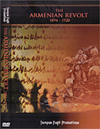
In the late 19th century, Armenian nationalists began to revolt against the Ottoman Empire , spurred by Western political ideals and the desire for their own homeland. When World War 1 broke out, Russian troops invaded eastern Turkey and many Armenians joined their ranks. By 1915, the struggle between Christian Armenians and Muslims turned into a tragic bloodbath. Over the next five years, more than two million Armenians and Muslims - Turkish, Kurdish, and Azeri - died from disease, starvation, exposure and outright massacre. This one-hour program examines the details of this horrible struggle, explains its causes, and reveals the key role played by Western powers in the conflict. / This DVD can be ordered from TCA for $12 plus shipping and handling. read more
History Speaks: The moral case against the Armenian Genocide Resolution
Barbara Lerner, National Review Online, October 18, 2007
Prudential arguments against the Armenian genocide resolution pending in Congress are gaining traction; odds for passage in November that looked overwhelming last month look more like a toss-up today. But in the court of public opinion, genocide proponents are still winning. Most Europeans and transcultural multinationals have already proclaimed it an indisputable historical fact that the Armenian tragedy in Turkey in World War I was a genocide, perpetrated by the Turks — a deliberate government attempt to wipe out all Armenians — and growing numbers of Americans think we have a moral duty to join them. The problem, in this arena, is that prudential arguments have nothing like the emotional power and widespread popular appeal of the moral case for condemning the Turks. read more
Prudential arguments against the Armenian genocide resolution pending in Congress are gaining traction; odds for passage in November that looked overwhelming last month look more like a toss-up today. But in the court of public opinion, genocide proponents are still winning. Most Europeans and transcultural multinationals have already proclaimed it an indisputable historical fact that the Armenian tragedy in Turkey in World War I was a genocide, perpetrated by the Turks — a deliberate government attempt to wipe out all Armenians — and growing numbers of Americans think we have a moral duty to join them. The problem, in this arena, is that prudential arguments have nothing like the emotional power and widespread popular appeal of the moral case for condemning the Turks. read more
Judgment Time: Should America recognize an Armenian Genocide?
Barbara Lerner, National Review Online, September 7, 2007
Calls for America to recognize the Armenian tragedy of 1915 as genocide, and to condemn the Turks for it, grow louder, more insistent, and more varied by the week. The Armenian lobby, House Speaker Nancy Pelosi (D., Calif.), and a handful of other longtime congressional supporters are no longer the only people calling for this recognition. They are joined not just by the usual old secular human-rights crusaders of the Left like Noam Chomsky and Robert Fisk, but also by new voices from the Right - including some I respect. Should we do it? Is it really beyond dispute that the Ottoman Turks were guilty of genocide in World War I? read more
Calls for America to recognize the Armenian tragedy of 1915 as genocide, and to condemn the Turks for it, grow louder, more insistent, and more varied by the week. The Armenian lobby, House Speaker Nancy Pelosi (D., Calif.), and a handful of other longtime congressional supporters are no longer the only people calling for this recognition. They are joined not just by the usual old secular human-rights crusaders of the Left like Noam Chomsky and Robert Fisk, but also by new voices from the Right - including some I respect. Should we do it? Is it really beyond dispute that the Ottoman Turks were guilty of genocide in World War I? read more
Armenian Story has Another Side
Norman Stone,Chicago Tribune, October 16, 2007
All the world knows what the end of an empire looks like: hundreds of thousands of people fleeing down dusty paths, taking what was left of their possessions; crammed refugee trains puffing their way across arid plains; and many, many people dying. For the Ottoman Empire that process began in the Balkans, the Crimea and the Caucasus as Russia and her satellites expanded. Seven million people -- we would now call them Turks -- had to settle in Anatolia, the territory of modern Turkey. read more
All the world knows what the end of an empire looks like: hundreds of thousands of people fleeing down dusty paths, taking what was left of their possessions; crammed refugee trains puffing their way across arid plains; and many, many people dying. For the Ottoman Empire that process began in the Balkans, the Crimea and the Caucasus as Russia and her satellites expanded. Seven million people -- we would now call them Turks -- had to settle in Anatolia, the territory of modern Turkey. read more
U.S. can calm a ruffled Turkey
The Christian Monitor, October 17, 2007
Two hot-button issues have set off Turkish ire and severely strained US ties: Turkey's history with war and increased dangers to its present-day security. In both cases, it's tempting to fault Ankara's overreaction. But US lawmakers and the White House should first examine their own actions. read more
Two hot-button issues have set off Turkish ire and severely strained US ties: Turkey's history with war and increased dangers to its present-day security. In both cases, it's tempting to fault Ankara's overreaction. But US lawmakers and the White House should first examine their own actions. read more
Pointless Moral Exhibitionism on Turkey
Rich Lowry,The National Review, October 16, 2007
The Ottoman Empire died an ignominious death 85 years ago in the aftermath of World War I. Democrats are nonetheless intent on rebuking it for the mass killing of Armenians during World War I that many scholars and a proposed House resolution call “genocide.” read more
The Ottoman Empire died an ignominious death 85 years ago in the aftermath of World War I. Democrats are nonetheless intent on rebuking it for the mass killing of Armenians during World War I that many scholars and a proposed House resolution call “genocide.” read more
Stirring up the past, jeopardizing the future
Bronwen Maddox, The Time Magazine, October 17, 2007
The most extraordinary spectacle of the past week has been the apparent desire of the US Congress to pronounce as genocide the 1915 massacre of Armenians by Turks, even though there is nothing more provocative to Turkey, and no worse time at which to do it. read more
The most extraordinary spectacle of the past week has been the apparent desire of the US Congress to pronounce as genocide the 1915 massacre of Armenians by Turks, even though there is nothing more provocative to Turkey, and no worse time at which to do it. read more
Armenia Crime Amnesia?
Bruce Fein, The Washington Times, Oct 16, 2007
Armenian crimes against humanity and war crimes against the Ottoman Turkish and Kurdish populations of eastern and southern Anatolia during World War I and its aftermath have been forgotten amidst congressional preoccupation with placating the vocal and richly financed Armenian lobby. read more
Armenian crimes against humanity and war crimes against the Ottoman Turkish and Kurdish populations of eastern and southern Anatolia during World War I and its aftermath have been forgotten amidst congressional preoccupation with placating the vocal and richly financed Armenian lobby. read more
Secretary of State Pelosi
The Wall Street Journal, October 16, 2007
House Speaker Nancy Pelosi, famous for donning a head scarf earlier this year to commune for peace with the Syrians, has now concluded that this is the perfect moment to pass a Congressional resolution condemning Turkey for the Armenian genocide of 1915. Problem is, Turkey in 2007 has it within its power to damage the growing success of the U.S. effort in Iraq. We would like to assume this is not Speaker Pelosi's goal. read more
House Speaker Nancy Pelosi, famous for donning a head scarf earlier this year to commune for peace with the Syrians, has now concluded that this is the perfect moment to pass a Congressional resolution condemning Turkey for the Armenian genocide of 1915. Problem is, Turkey in 2007 has it within its power to damage the growing success of the U.S. effort in Iraq. We would like to assume this is not Speaker Pelosi's goal. read more
Turkey in the crosshairs
The Washington Times, October 15, 2007
A combination of events - including a dramatic upsurge in violence from Kurdish terrorists based in northern Iraq and a House resolution condemning Turkey for the mass killings of Armenians more than 80 years ago - have created an explosive, dangerous situation on the Turkish-Iraq border that could endanger the resupply of U.S. forces in Iraq. read more
A combination of events - including a dramatic upsurge in violence from Kurdish terrorists based in northern Iraq and a House resolution condemning Turkey for the mass killings of Armenians more than 80 years ago - have created an explosive, dangerous situation on the Turkish-Iraq border that could endanger the resupply of U.S. forces in Iraq. read more
Tawdry Genocide Tale
Bruce Fein, Washington Times, September 2, 2007
Bruce Fein - On Tuesday, Aug. 21, the national director of the Anti-Defamation League (ADL), Abraham H. Foxman, somersaulted from a longstanding ADL policy. The ADL had declined to characterize as genocide the killings of Armenians during World War I by Ottoman Muslims. In Mr. Foxman's change of position hangs a tawdry tale of intellectual dishonor. read more
Bruce Fein - On Tuesday, Aug. 21, the national director of the Anti-Defamation League (ADL), Abraham H. Foxman, somersaulted from a longstanding ADL policy. The ADL had declined to characterize as genocide the killings of Armenians during World War I by Ottoman Muslims. In Mr. Foxman's change of position hangs a tawdry tale of intellectual dishonor. read more
This wasn't Genocide
Shlomo Bar-Meir, Jerusalem Post, September 2, 2007
Sir, - While the Armenian deaths in WWI were a great tragedy, they were not genocide. The Armenian population was in almost total revolt against the Ottoman Turks. Armenian soldiers deserted the Turkish army in droves and went over to the Russian invaders. There are over 50 documented cases of Armenian massacres of Turkish populations while the Turkish army was retreating from the Russian invasion. read more
Sir, - While the Armenian deaths in WWI were a great tragedy, they were not genocide. The Armenian population was in almost total revolt against the Ottoman Turks. Armenian soldiers deserted the Turkish army in droves and went over to the Russian invaders. There are over 50 documented cases of Armenian massacres of Turkish populations while the Turkish army was retreating from the Russian invasion. read more
Letter to Abraham H. Foxman, ADL of B'Nai B'Rith
Jak Kamhi, August 22, 2007
I write to you concerning the "ADL Statement on the Armenian Genocide" dated 21st August 2007, in which you add the prestige of the ADL to those who, for all sorts of reasons, have long lobbied for acceptance of the much-disputed claim that the historical events in question constituted a "genocide". read more
I write to you concerning the "ADL Statement on the Armenian Genocide" dated 21st August 2007, in which you add the prestige of the ADL to those who, for all sorts of reasons, have long lobbied for acceptance of the much-disputed claim that the historical events in question constituted a "genocide". read more
Why America Should Build Bridges to Turkey
Liz Peek, July 3, 2007
The Turks are getting cranky, and who can blame them? Since recovering from a fiscal crisis in 2001, the country has racked up one of the best growth rates in the world, and today it is the 17th largest economy. Last year the budget deficit fell to less than 1% of Gross Domestic Product, while inflation has been in single-digit territory for the past three years. read more
The Turks are getting cranky, and who can blame them? Since recovering from a fiscal crisis in 2001, the country has racked up one of the best growth rates in the world, and today it is the 17th largest economy. Last year the budget deficit fell to less than 1% of Gross Domestic Product, while inflation has been in single-digit territory for the past three years. read more
Statement by Professor Norman Stone
Norman Stone, August 23, 2007
I am writing to you about the resolution, recently-published, of the ADL, concerning the Armenian events of 1915 in Turkey. My qualifications for doing so are I think such that any historian of the period would vouch for me: I taught at Cambridge and Oxford for thirty years before taking early retirement from the Chair of Modern History, and going to Turkey. read more
I am writing to you about the resolution, recently-published, of the ADL, concerning the Armenian events of 1915 in Turkey. My qualifications for doing so are I think such that any historian of the period would vouch for me: I taught at Cambridge and Oxford for thirty years before taking early retirement from the Chair of Modern History, and going to Turkey. read more
Re: Truth and Consequences: Armenians, Turks and Jews
Denis Ojalvo, August 22, 2007
The strategy of the Armenian side, from its very inception has been to implicate the Republic of Turkey in the events which preceded its foundation, by extending the period of the alleged genocide from 1915 to 1923, instead of 1918. Moreover, they do not hesitate to forge documents and photos for sustaining that argument. The venue of such a recent attempt of forgery was UCLA “ University of California Los Angeles, (April 14, 2005 UCLA talk entitled "The Face of Denial Does Not Lie,") where a photo of Ataturk' with a dog at his feet was manipulated and the dog substituted with a corpse of a civil war victim. read more
The strategy of the Armenian side, from its very inception has been to implicate the Republic of Turkey in the events which preceded its foundation, by extending the period of the alleged genocide from 1915 to 1923, instead of 1918. Moreover, they do not hesitate to forge documents and photos for sustaining that argument. The venue of such a recent attempt of forgery was UCLA “ University of California Los Angeles, (April 14, 2005 UCLA talk entitled "The Face of Denial Does Not Lie,") where a photo of Ataturk' with a dog at his feet was manipulated and the dog substituted with a corpse of a civil war victim. read more
Let's Unearth the Truth About what happened in 1915 together
The New York Times, April 23, 2007
We look to a future of freedom, peace, and prosperity in Armenia and Turkey and hope that Prime Minister Erdogan’s recent proposal for a joint Turkish-Armenian commission can help advance these processes. read more
We look to a future of freedom, peace, and prosperity in Armenia and Turkey and hope that Prime Minister Erdogan’s recent proposal for a joint Turkish-Armenian commission can help advance these processes. read more
Turkish ambassador: "Give all sides a hearing"
In response to an inquiry by the Advocate, the Turkish ambassador to the U.S. issued the following statement: It was surprising and disappointing when, on August 21, ADL abruptly changed its longtime position regarding the historical interpretation of the events of 1915... read more
Judgment Time:Should America recognize an Armenian Genocide?
Barbara Lerner, National Review Online, September 07, 2007
The Armenian lobby, House Speaker Nancy Pelosi (D., Calif.), and a handful of other longtime congressional supporters are no longer the only people calling for this recognition. They are joined not just by the usual old secular human-rights crusaders of the Left like Noam Chomsky and Robert Fisk, but also by new voices from the Right — including some I respect. Should we do it? Is it really beyond dispute that the Ottoman Turks were guilty of genocide in World War I? read more
The Armenian lobby, House Speaker Nancy Pelosi (D., Calif.), and a handful of other longtime congressional supporters are no longer the only people calling for this recognition. They are joined not just by the usual old secular human-rights crusaders of the Left like Noam Chomsky and Robert Fisk, but also by new voices from the Right — including some I respect. Should we do it? Is it really beyond dispute that the Ottoman Turks were guilty of genocide in World War I? read more
Norman Stone: 'There is No Armenian Genocide'
Norman Stone, JTW News, 21 October 2006
“The Armenian ‘genocide’ is an imperialist plot.” So said Dogu Perincek, in Marxist mode, and he chose to say it in Switzerland. Switzerland passed a law threatening prison for anyone ‘denying’ that there had been a genocide of the Ottoman Armenians in 1915, and Mr. Perincek was interrogated by the police. read more
“The Armenian ‘genocide’ is an imperialist plot.” So said Dogu Perincek, in Marxist mode, and he chose to say it in Switzerland. Switzerland passed a law threatening prison for anyone ‘denying’ that there had been a genocide of the Ottoman Armenians in 1915, and Mr. Perincek was interrogated by the police. read more
New Scholarship Disputes Armenian "Genocide" Narrative
The following recent scholarship published on Armenian-Ottoman history demonstrate the inappropriateness of legislating history, as some members of Congress frequently intend to do. This history has neither been fully researched, nor authoritatively written. Congressional resolutions do injustice to the diversity of scholarship on this issue in favor of endorsing a defect and biased narrative. TCA renews its support for the establishment of an independent historical commission to examine this painful chapter in Turkish-Armenian history and invites all interested parties and particularly the United States Congress and Administration to fully support the formation of this commission. read more